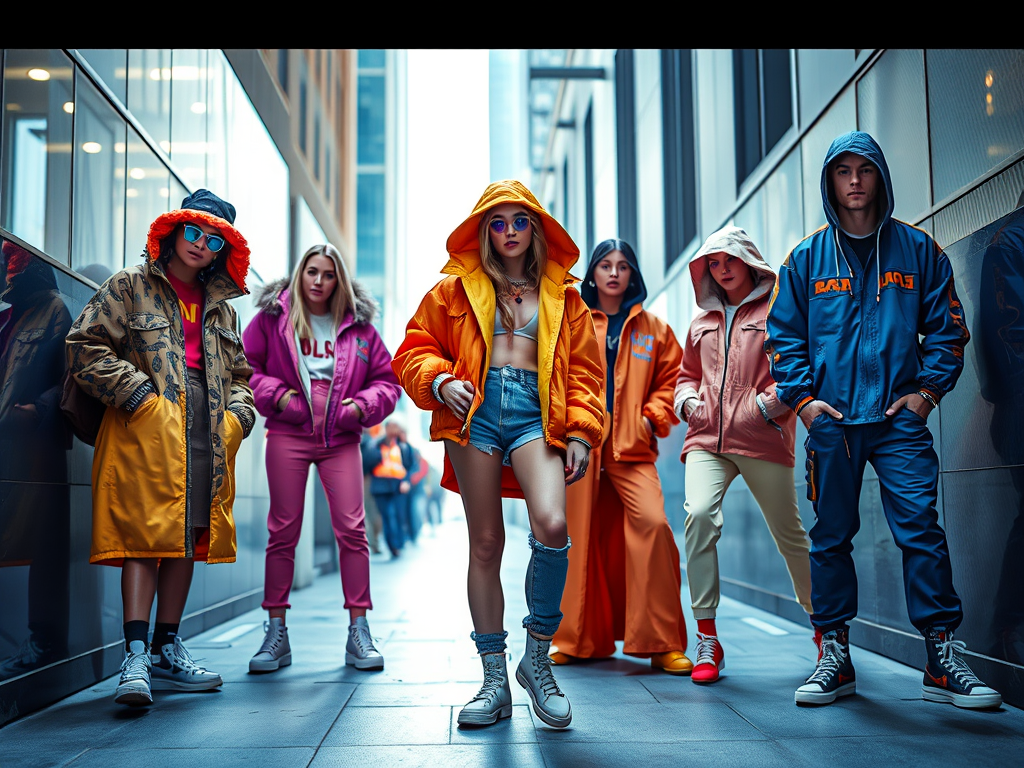
Old generation fashion prioritized fitted silhouettes like skinny jeans
high-waisted pants, and polished looks with neutral tones and classic accessories. New generation trends favor baggy jeans, oversized clothing, vibrant colors, and chunky sneakers for a relaxed, experimental vibe. Both share nostalgia but reinterpret it differently—old gens revive 80s/90s exactly, while new gens mix it with modern twists like kurtis paired with ripped jeans
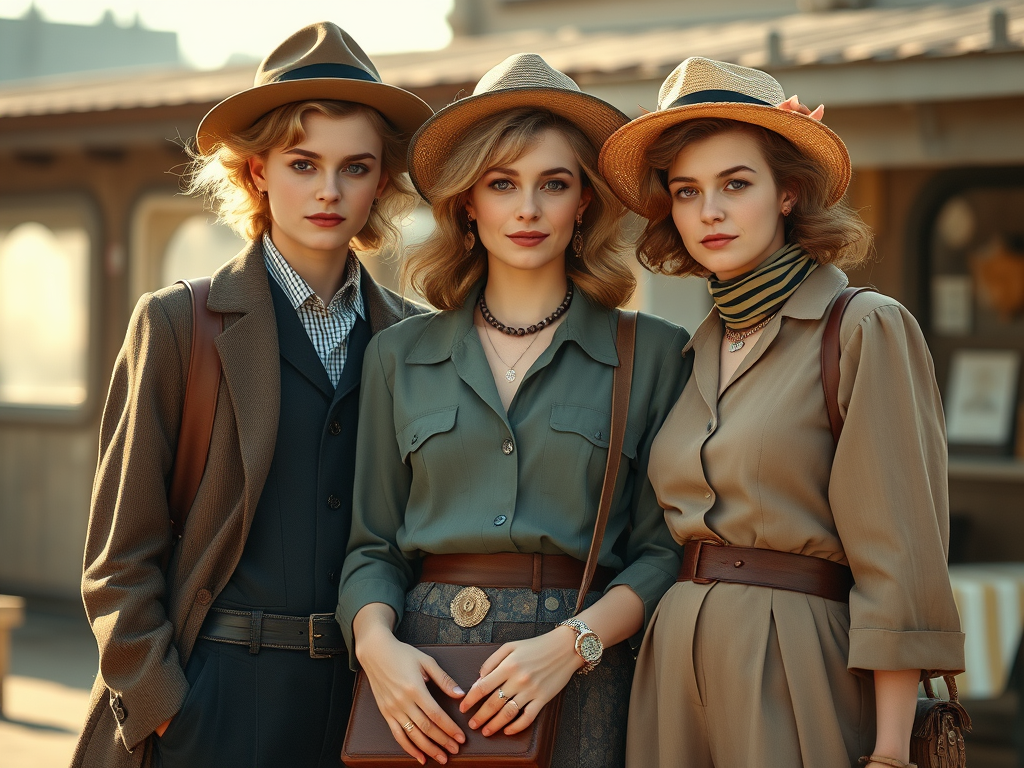
New generation fashion differs from old generation styles in emphasizing bold self-expression and sustainability, while older styles focused on structure, formality, and tradition. These shifts reflect changes in social norms, technology, and values across eras.��Style DifferencesOld generation fashion featured structured silhouettes like poodle skirts, high-waisted jeans, leather jackets, bell-bottom pants, tie-dye shirts, and fringe in the 1950s-1970s, symbolizing elegance, rebellion, and bohemian freedom. Victorian-era corsets and crinolines added rigid femininity for baby boomers and Gen X. New generation opts for oversized, baggy fits, vibrant mixes, and Y2K revivals with modern twists like ripped jeans paired with kurtas.��Materials and DurabilityOlder styles used durable, long-lasting fabrics designed for repeated wear without seeming outdated, prioritizing practicality and quality. New trends incorporate sustainable, upcycled materials but embrace fast-changing, thrifted pieces for ethical, inclusive vibes over rigid longevity.��Purpose and Social ImpactOld fashion aligned with social norms, work formality, and cultural icons like Woodstock or punk, fostering conformity or subtle rebellion. New generation fashion drives personal identity, TikTok activism, and body positivity, influencing rapid global trends via social media.��
6